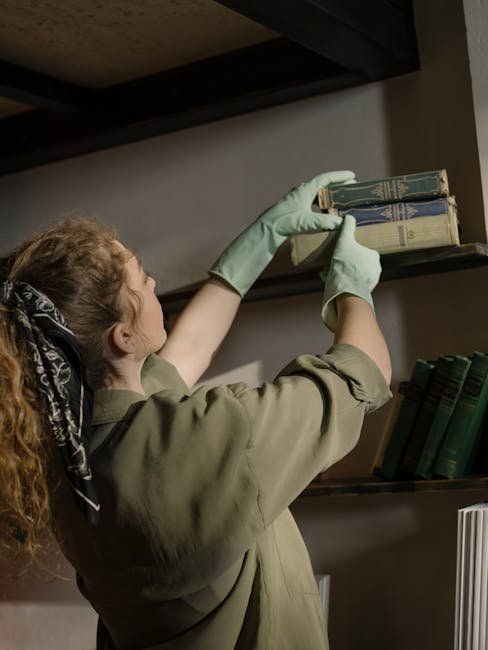
Guide to booking end of tenancy cleaning in Knightsbridge
Moving out in Knightsbridge can feel oddly clinical: boxes stacked in the hallway, lights half-packed, one last look at the kitchen tiles, and the quiet pressure of knowing someone else will inspect every surface. That is exactly why a proper end of tenancy clean matters. This guide to booking end of tenancy cleaning in Knightsbridge explains what to expect, how to prepare, what to ask before you book, and how to avoid the little mistakes that turn a move-out into a headache.
Whether you are a tenant trying to protect your deposit, a landlord wanting the property ready for the next occupant, or an agent coordinating a tight handover, the booking process is easier when you know what really counts. Let's make it straightforward.
Table of Contents
- Why it matters
- How the cleaning booking process works
- Key benefits and practical advantages
- Who this is for and when it makes sense
- Step-by-step guidance
- Expert tips for better results
- Common mistakes to avoid
- Tools, resources and recommendations
- Law, compliance, standards and best practice
- Options and comparison table
- Case study or real-world example
- Practical checklist
- Conclusion
- Frequently asked questions
Why it matters
End of tenancy cleaning is not just a "nice to have" tidy-up. It is the final presentation of the property, and in a place like Knightsbridge, standards are often high. A clean that looks acceptable at first glance can still fall short if skirting boards, inside cupboards, limescale, oven grease, carpet edges, or bathroom fixtures have been missed.
To be fair, many tenants think they can manage it themselves over a weekend. Sometimes they can. But between work, removals, key handover, and the usual last-minute scramble, deep cleaning properly is harder than it sounds. You notice this quickly when the extractor fan still has dust on it or the shower screen has that stubborn mineral haze that just will not shift without proper attention.
Booking the right service reduces friction at the end of a tenancy. It can help you present the property well for inspection, avoid unnecessary cleaning disputes, and save time when you are already juggling enough. If you are arranging a move-out clean, it can also be useful to look at the provider's wider approach to deep cleaning and end of tenancy cleaning so you understand how the work is structured.
Expert summary: The best end of tenancy cleaning bookings are the ones made early, scoped clearly, and prepared properly. The actual clean matters, yes, but the handover process matters just as much.
How the cleaning booking process works
Booking end of tenancy cleaning in Knightsbridge is usually simple, but the details matter. A good provider will ask about the property size, the condition of the home, which rooms need attention, whether carpets or upholstery need separate treatment, and whether any extra tasks are likely to be needed.
In practice, the booking usually follows a few stages:
- Initial enquiry - You provide the address, property type, number of rooms, and any obvious problem areas.
- Quote or estimate - The cleaner gives a price based on size, condition, and optional add-ons such as oven or carpet cleaning.
- Schedule the date - Most people book for after removals and before the final inspection. That order is worth sticking to.
- Pre-clean preparation - The property is ideally empty or nearly empty, with personal items removed and utilities still on if possible.
- Cleaning visit - The team works through rooms systematically, usually starting top to bottom and moving from dry dusting to heavier cleaning.
- Final check - A careful walk-through helps identify anything that needs touching up before handover.
If you need a broader domestic refresh before or after a tenancy, some households also compare one-off cleaning and domestic cleaning to understand what is included and what is more specialised. The wording sounds similar, but the purpose is different.
Key benefits and practical advantages
A properly booked move-out clean gives you more than a polished-looking property. It creates a cleaner handover, fewer arguments, and less scrambling at the end of the tenancy. Simple enough, but that is often where the real value sits.
- Deposit protection support - While no service can guarantee a deposit outcome, a thorough clean helps you meet expected handover standards.
- Better inspection readiness - Agents and landlords typically notice kitchens, bathrooms, carpets, and window frames first.
- Time savings - Moving is exhausting. Outsourcing the deep clean frees up your final day for logistics, packing, and keys.
- More consistent results - Professional cleaners work to checklists, which reduces the chance of missing hidden grime.
- Less stress at the end of the tenancy - This sounds soft, but honestly, it matters. A calmer move is a better move.
In a Knightsbridge property, surfaces tend to show wear differently. High-spec kitchens, polished fixtures, glass details, marble, hardwood floors, and expensive upholstery all need care. One harsh product in the wrong place and you may trade dirt for damage. That is why it helps to book a team familiar with specialist areas such as carpet cleaning, oven cleaning, and window cleaning where needed.
Who this is for and when it makes sense
This guide is useful for several kinds of readers. If you are moving out of a flat, townhouse, or serviced apartment, you will probably need some version of tenancy clean before checkout. If you are a landlord, you may want the property prepared between occupancies without having to coordinate multiple trades. If you are an agent, the key concern is timing, reliability, and predictable standards.
It makes particular sense to book professional cleaning when:
- the tenancy agreement expects the property to be returned in a professionally cleaned condition;
- the home has been occupied for a long time and needs a proper reset;
- there are carpets, upholstery, or cooking appliances that need more than surface wiping;
- you are short on time because the removal van is arriving, the inventory check is fixed, and everyone is already slightly frazzled;
- the property has delicate finishes that need careful handling.
If the property is especially cluttered or requires clear-out work before cleaning can even begin, a service such as house clearance may be part of the wider plan. That is not always necessary, but it comes up more often than people expect.
Step-by-step guidance
Here is the cleanest way to book the service without overcomplicating it. No pun intended. Well, maybe a small one.
- Work out what the property actually needs
Walk through each room and note the obvious jobs: kitchen degreasing, bathroom descaling, skirting boards, inside cupboards, wardrobes, and any carpet or upholstery work. If you are not sure, imagine the place from the perspective of someone opening every door and drawer. It sharpens the view very quickly. - Check the tenancy expectations
Look at your tenancy agreement, check-in report, or agent instructions. Some properties require a very specific standard. Others simply need to be left clean and ready. The wording can matter, so read it carefully. - Choose the right service scope
A full end of tenancy clean is usually the core booking, but you may need extras. Common add-ons include oven cleaning, carpet cleaning, sofa cleaning, or upholstery cleaning. If the home has hard floors that have lost their shine, hard floor cleaning may also be useful. - Request a clear quote
Ask how the quote is calculated, what is included, and what counts as an extra. You want clarity before the booking is confirmed, not a surprise conversation later in the day. - Pick a sensible date and time
The ideal sequence is removals first, clean second, inventory or inspection last. Booking too early can leave you cleaning twice. Booking too late can make handover awkward. Timing, honestly, is half the battle. - Prepare the space
Remove belongings, defrost the freezer if that applies, secure valuables, and make sure cleaners can access all areas. Leave keys, codes, or building access details as agreed. - Do a final walkthrough
Once the clean is finished, check obvious touchpoints: taps, mirrors, oven fronts, inside cabinets, windowsills, and floors. If the provider offers a re-clean window, confirm what it covers and how to report anything missed.
A small but useful note: if the property includes soft furnishings that have absorbed everyday life a little too well, it can help to book sofa cleaning or upholstery cleaning at the same time. Odours, marks, and flattened fibres are easy to overlook until the room is empty.
Expert tips for better results
After plenty of move-out cleans, a pattern emerges. The jobs that go best are the ones where the client gives clear information, the property is ready, and no one is guessing on the day.
- Book before your moving week gets chaotic - Slots fill up quickly around month-end and school holiday periods. If your move is time-sensitive, do not leave it too late.
- Be honest about the property condition - A clean quote based on "light dusting" is not much use if the oven is black inside and the bathroom needs serious descaling.
- Flag specialist surfaces early - Marble, natural stone, delicate wood, and high-end finishes are all better handled with care than with a one-size-fits-all approach.
- Keep utilities on if possible - Water and electricity often make a big difference, especially for appliances and detailed bathroom cleaning.
- Tell the cleaner about access quirks - Concierge requirements, parking restrictions, lifts, loading bays, and key safes can all affect timing.
- Ask what products are used - This matters if you are concerned about strong smells, sensitivities, or specific surfaces. A good company should be able to explain this clearly.
You will also find it helpful to compare related services if the property needs more than a straightforward move-out clean. For example, a post-renovation flat may need after builders cleaning before it is genuinely ready for handover. That's a different job, and mixing the two up is a common mistake.
Common mistakes to avoid
Most end of tenancy problems are not dramatic. They are small oversights that add up. A missed oven tray here, a dusty extractor there, and suddenly the property does not feel "done".
- Leaving booking until the last day - The clean then becomes rushed, and the inspection usually follows too soon.
- Assuming "general clean" means tenancy standard - It often does not. A domestic tidy-up and a move-out deep clean are not the same thing.
- Forgetting inside cupboards and appliances - These are classic inspection points.
- Not arranging extra services in advance - Oven and carpet cleaning can take more time and should be planned rather than improvised.
- Failing to prepare access - Cleaners cannot do much if they are waiting outside a locked property or blocked hallway.
- Expecting perfection without a realistic condition brief - If the property is heavily used, tell the cleaner upfront. It helps everyone.
And here is the slightly awkward truth: people sometimes assume the clean can make up for damage, missing items, or wear beyond normal use. It cannot. Cleaning is cleaning. Repairs are repairs. That distinction matters.
Tools, resources and recommendations
You do not need a toolkit the size of a small shed, but it helps to have the right items on hand if you are doing part of the work yourself before the professionals arrive.
Useful items include:
- microfibre cloths for glass, chrome, and dusting;
- sponges and non-scratch pads for kitchen surfaces;
- bin bags and storage boxes for last-minute clearing;
- rubber gloves for bathroom and kitchen prep;
- a vacuum with attachments for edges, skirting, and soft furnishings;
- labels or tape for items staying behind or awaiting collection;
- a small torch or phone light for checking corners, under units, and around fixtures.
On the service side, it can be useful to browse the provider's wider cleaning pages if you are comparing what belongs inside a tenancy clean and what belongs outside it. For example, cleaning company, cleaners, and cleaner pages often help you understand the scope and tone of the service before you book.
If you care about payment confidence and basic customer protections, it is also sensible to review practical pages such as payment and security and terms and conditions. These are not exciting reads, but they are the sort of things that prevent messy misunderstandings later. Nobody loves paperwork. Still.
Law, compliance, standards and best practice
Move-out cleaning is not usually a heavily regulated service in the way some specialist trades are, but there are still important UK best-practice considerations. The most useful approach is to think in terms of care, clarity, and documented expectations.
Tenants should check their tenancy agreement and any inventory or check-in report. Those documents usually define the standard the property is expected to meet at the end of the tenancy. Landlords and agents should be clear about what condition counts as acceptable and should avoid changing expectations halfway through.
From a practical compliance perspective, a reputable cleaning company should be able to explain:
- what is included in the booking;
- how access and timing will be handled;
- how they approach health and safety on site;
- what happens if a client raises a concern after the service;
- whether specific surfaces or items need special caution.
It is also reasonable to expect the company to take care with insurance, staff conduct, and privacy. If a provider has clear information about insurance and safety and a transparent complaints procedure, that usually signals an organised operation. Not glamorous, maybe, but reassuring.
For homes where sustainability matters, you may also want to understand how cleaning waste is handled and whether the company follows sensible environmental practices. A look at recycling and sustainability can give you that picture without making big promises that cannot be checked.
Options and comparison table
Different move-out situations call for different booking choices. Here is a simple comparison to help you decide what makes sense.
| Option | Best for | Typical strengths | Possible drawback |
|---|---|---|---|
| Basic end of tenancy clean | Well-kept properties needing a final refresh | Covers the core handover tasks and is usually the most efficient choice | May not fully address carpets, ovens, or heavily used soft furnishings |
| End of tenancy clean with add-ons | Properties with extra wear in kitchens, floors, or fabrics | More complete and easier for inspection readiness | Costs more than a standard clean |
| Deep clean plus tenancy clean | Homes needing a more intensive reset | Better for neglected areas, stubborn grime, and complex finishes | Takes longer and needs clearer scoping |
| Specialist add-ons only | Homes needing targeted work, such as oven or carpet care | Efficient if the rest of the property is already in good condition | Can leave gaps if the wider space is not cleaned properly |
If you are unsure which option fits your property, think about what an inspector will actually look at. Kitchens, bathrooms, floors, and visible touchpoints usually dominate the judgement. A sparkling hallway does not rescue a greasy hob. Sorry, but that is how it goes.
Case study or real-world example
A typical Knightsbridge move-out might look like this. A tenant in a two-bedroom flat has already arranged removals for Thursday morning and needs the property ready for inspection on Friday. The place looks tidy at first glance, but the kitchen has built-up grease around the extractor, the oven needs a deep clean, and the carpet in the living area has dull traffic marks near the sofa.
Instead of trying to do everything themselves after a long day of packing, they book the cleaning in advance, confirm access details with the concierge, and ask for oven and carpet cleaning as part of the visit. They also clear cupboards the night before and leave the utility supply on. The team arrives, works room by room, and finishes with a focused check of the kitchen and bathroom areas.
The difference is not just visual. The flat feels reset. Light catches the taps better. The air smells fresher. Corners that had been ignored for months are suddenly visible again. That is the small but important effect of a well-booked tenancy clean: it makes the property feel ready, not merely tidied.
Practical checklist
Use this checklist before and after you book. It keeps the process grounded.
- Confirm your move-out date and final inspection date.
- Check the tenancy agreement for cleaning expectations.
- Walk through the property and list problem areas.
- Decide whether you need oven, carpet, sofa, or window cleaning.
- Request a clear quote with inclusions and exclusions.
- Book the clean after removals, before handover.
- Remove personal belongings and empty cupboards where possible.
- Make access arrangements in advance.
- Leave utilities on if the clean requires them.
- Check the finished property room by room.
- Raise any issues promptly and calmly.
Simple list, yes. But it works.
Conclusion
Booking end of tenancy cleaning in Knightsbridge becomes much easier once you treat it like part of the move, not a last-minute rescue mission. The best results come from clear expectations, sensible timing, and a service scope that matches the property's real condition. If you prepare properly and choose a provider with a transparent process, you give yourself a much smoother handover and far fewer surprises on the day.
For many people, the move-out period is a blur of tape, boxes, keys, and half-finished admin. That is normal. Still, a thoughtful clean at the end can make the whole exit feel a little more settled, a little more complete.
Get a free quote today and see how much you can save.
When the final room is done and the door closes behind you, it is a surprisingly good feeling. Quiet, clean, and properly finished.
Frequently Asked Questions
What is included in end of tenancy cleaning in Knightsbridge?
It usually includes a thorough clean of kitchens, bathrooms, living areas, bedrooms, floors, skirting boards, internal surfaces, and visible fixtures. The exact scope varies by provider, so always check what is included before booking.
How far in advance should I book end of tenancy cleaning?
Ideally, book as soon as you know your moving date. A few days' notice can work in some cases, but earlier is better, especially at busy month-end periods or during peak moving weeks.
Should I book the clean before or after removals?
After removals is usually best. That way, cleaners can reach all surfaces, cupboards, and floors without working around boxes or furniture.
Do I need to stay at the property during the cleaning?
Not necessarily. Many people prefer to leave the property and return for a final check. What matters is that the cleaner has access and knows how to reach you if needed.
Can end of tenancy cleaning help me get my deposit back?
It can help by leaving the property in a condition that is more likely to meet handover expectations. However, deposit outcomes also depend on damage, missing items, and the terms of the tenancy agreement.
Do I need oven and carpet cleaning as add-ons?
Only if those areas need more than standard cleaning. Ovens, carpets, rugs, and soft furnishings often require separate attention, particularly if they have visible marks or heavy use.
How do I know if a quote is fair?
A fair quote should be clear about room count, condition, included tasks, and any extras. If the quote seems vague, ask for a breakdown before you agree to the booking.
What should I do before the cleaner arrives?
Remove personal belongings, empty as many cupboards as possible, secure valuables, and make sure access is arranged. If appliances need power or water, leave utilities on if you can.
Is end of tenancy cleaning different from deep cleaning?
Yes. Deep cleaning is a broader intensive clean, while end of tenancy cleaning is focused on move-out standards and handover readiness. There is overlap, but the purpose is different.
What if the property needs more than cleaning?
If the home needs clearance, repairs, or post-renovation attention, you may need extra services before or alongside the cleaning. For example, a heavily used property might need house clearance first, while a refurbished one may need after builders cleaning.
Are there any special considerations for Knightsbridge properties?
Often, yes. High-end finishes, delicate materials, access restrictions, parking limitations, and concierge procedures can all affect how the booking is arranged. Mention these early so the service is planned properly.
What should I ask before confirming the booking?
Ask what is included, how long the clean is likely to take, what happens if something is missed, whether specialist items cost extra, and how access will be handled on the day. A little clarity goes a long way.