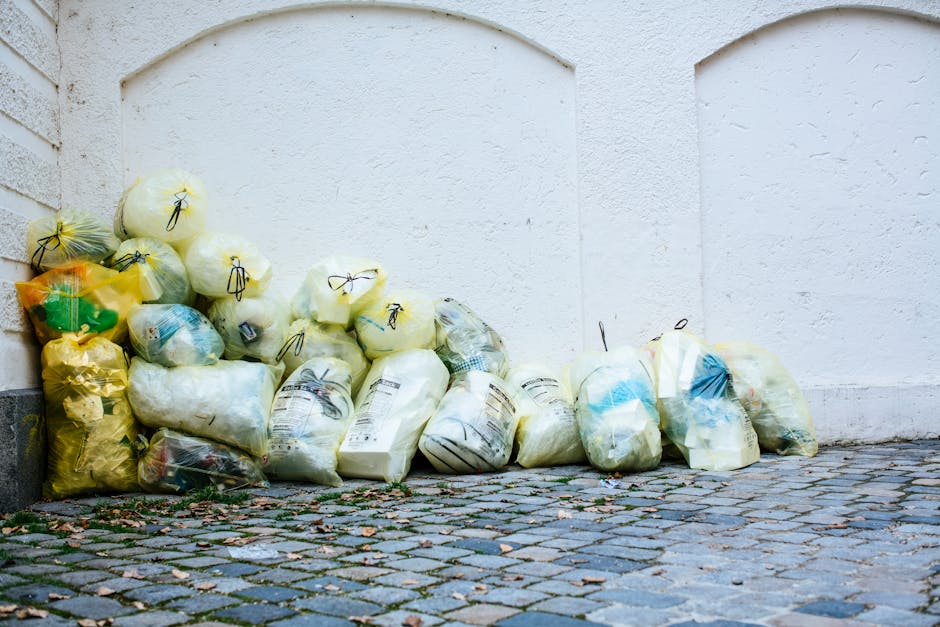
Kensington and Chelsea council rules for cleaning disposal
Posted on 10/06/2026
Kensington and Chelsea Council Rules for Cleaning Disposal: What Residents, Landlords and Businesses Need to Know
If you have ever stood in a hallway with a pile of broken bits, dusty bags, old cloths, and a half-used cleaner wondering where it all should go, you are not alone. Kensington and Chelsea council rules for cleaning disposal can feel a bit fiddly at first, especially when you are dealing with everyday cleaning waste, bulky items, or leftover materials after a deep clean. But once you understand the basics, the whole process becomes much simpler and a lot less stressful.
This guide breaks down what disposal means in practice, how local expectations usually work, what to do with different types of cleaning waste, and how to avoid common mistakes that can lead to mess, complaints, or even fines. Whether you are a homeowner, tenant, landlord, or business manager, the aim here is straightforward: keep your property clean and your disposal habits compliant without overcomplicating things.
And yes, there is a difference between "tidy enough for now" and "disposed of properly." That difference matters more than people think.
Why Kensington and Chelsea council rules for cleaning disposal Matters
Cleaning disposal is not just about getting rid of rubbish. It is about separating waste correctly, storing it safely, presenting it properly for collection, and making sure anything hazardous, bulky, or commercial is handled in a way that does not create a problem for neighbours or the wider area. In a borough like Kensington and Chelsea, where many homes are flats, mansion blocks, mews houses, and busy mixed-use buildings, that really does matter.
Let's face it: if waste is left in shared hallways, placed beside the wrong bin, or dumped after a clean-out, the whole building notices. Odours travel. Bags split. Pests appear. And in communal settings, a small disposal mistake can become everyone's problem by lunch time.
There is also a practical angle. Good disposal habits protect flooring, lifts, entrances, and bin stores from damage. If you are booking deep cleaning in Knightsbridge or organising end of tenancy cleaning, proper disposal planning is often the difference between a smooth handover and a last-minute scramble. To be fair, disposal is one of those things people only think about when it goes wrong.
For local businesses, there is another layer. Office waste, packaging, food waste, and sanitary or cleaning materials need a consistent system. If you are comparing property upkeep and operational cleanliness more broadly, the articles on commercial cleaning costs in Knightsbridge and office cleaning can help frame the bigger picture.
How Kensington and Chelsea council rules for cleaning disposal Works
The basic idea is simple: different waste streams need different treatment. Some items can go in general household or commercial waste. Some need recycling. Some should never be mixed in with ordinary rubbish. And some must be stored, bagged, or removed in a special way because they are bulky, sharp, contaminated, or potentially hazardous.
In practice, disposal usually starts with sorting. After a clean, you may have a mix of dust, wipes, packaging, food wrappers, old cloths, broken ceramics, batteries, aerosols, cleaning product containers, or spoiled soft furnishings. These are not all treated the same. The cleaner the segregation, the easier the disposal.
There are also local collection rhythms to respect. If bins are collected on certain days, waste should be presented in the right way and at the right time, not left out too early and not missed altogether. In many homes across central London, there is limited storage space, so a sloppy system quickly becomes visible. One overflowing bag on a Thursday evening can look like a small mountain by Friday morning. It happens.
For heavier or more awkward waste, such as old mattresses, damaged carpets, broken furniture, or post-renovation debris, a separate uplift may be needed. If you are tackling floor coverings or soft furnishings, the related pages on carpet cleaning and upholstery cleaning may be useful because they often sit alongside disposal decisions after a full refresh.
Households and businesses should also remember that some cleaning products are not ordinary waste. Strong chemicals, solvent-based products, aerosols, and certain contaminated materials may need safer handling. When in doubt, treat them with caution and avoid mixing them into loose bags with general waste.
Key Benefits and Practical Advantages
Following the right disposal routine is not only about staying on the right side of local rules. It also makes cleaning work faster, safer, and oddly enough, less annoying. That sounds basic, but it really is the point.
- Cleaner shared spaces: No loose waste, spills, or smells sitting in communal areas.
- Lower risk of pests: Properly sealed and sorted waste helps discourage flies, rodents, and damp-related issues.
- Better compliance: You reduce the chance of complaints from neighbours, managing agents, or building staff.
- Safer working conditions: Clear waste handling reduces slips, cuts, and contamination during a clean.
- Less rework: If waste is dealt with properly first time, the cleaning team can focus on the actual clean.
There is also a quieter benefit: peace of mind. Anyone who has had to drag sealed bags through a shared entrance at 7am knows the feeling. You would rather just do it once, do it properly, and be done with it.
For landlords, proper disposal also supports end-of-tenancy turnaround. For example, a flat that has been left with bags of unwanted items, food waste, and stripped bedding can be prepared far more efficiently if disposal is organised before the full clean begins. If that is a recurring issue, the guide to avoiding hidden cleaning costs may help you budget more sensibly.
Who This Is For and When It Makes Sense
This topic matters to more people than you might expect. The obvious group is homeowners and tenants, but that is only part of the picture.
- Residents: Anyone doing routine house cleaning, spring cleaning, or a post-event tidy-up.
- Tenants: Especially during move-out cleaning, when leftover waste can affect deposit checks.
- Landlords and agents: To keep communal areas orderly and prepare units for the next occupant.
- Businesses: Offices, small studios, and hospitality spaces that generate regular cleaning waste.
- Cleaning teams: Professional cleaners who need a clear waste-handling routine to work efficiently.
It makes sense whenever cleaning creates more than just surface dust. That might be after a party, a renovation, a flood, a deep clean, or a seasonal clear-out. If you have ever opened a cupboard and found old sprays, cracked hangers, and mystery fluff from three years ago, you already know the sort of moment we mean.
For people living or investing locally, the broader context matters too. Articles like is Knightsbridge ideal for residents and the guide to buying homes in Knightsbridge show how upkeep standards shape everyday living in the area.
Step-by-Step Guidance
If you want a practical way to stay aligned with Kensington and Chelsea council rules for cleaning disposal, use this sequence. It is simple, but it works.
- Identify the waste type. Separate general waste, recycling, bulky items, food waste, and anything potentially hazardous.
- Keep cleaning waste sealed. Used cloths, wipes, and contaminated paper should be bagged securely so they do not leak or smell.
- Do not mix hazardous items. Keep chemicals, batteries, sharp items, and aerosols apart from normal rubbish.
- Check the building arrangement. In many blocks, there are rules on where and when bins can be presented. Shared bin stores can be strict for a reason.
- Flatten or compact where sensible. Cardboard and packaging take less room when they are broken down properly.
- Arrange special removal for bulky waste. Large items need the right uplift rather than a hopeful glance at the bin store.
- Clean the area after disposal. Wipe down spill points, bin lids, trolley handles, and any route used to move waste.
A useful way to think about it is this: clean first, dispose second, and leave the route tidy at the end. If you reverse that order, you often create more work. Simple as that.
For more involved property cleans, it can help to tie disposal into the cleaning plan itself. A one-off cleaning visit or spring cleaning session is a good moment to sort cupboards, hall storage, and forgotten corners properly instead of just shifting clutter around.
Expert Tips for Better Results
In our experience, the best disposal systems are not the most complicated ones. They are the easiest to follow when everyone is tired, rushed, or halfway through a busy day.
- Use colour-coded bags or clear labels: If your household or business has multiple people handling waste, labels reduce confusion fast.
- Keep a small "do not mix" container: A separate box for batteries, blades, and small electrical bits prevents accidental contamination.
- Stage waste near the exit, not in the middle of rooms: It sounds obvious, but it avoids unnecessary traffic through cleaned spaces.
- Plan disposal before the clean starts: Especially for tenancy cleans and large house cleans, this saves a lot of backtracking.
- Protect lifts and communal corridors: Bag leaks, sharp edges, and dirty wheels are where complaints tend to start.
One practical observation: if you are dealing with soft furnishings or carpet waste, it is often worth thinking one step ahead. A property that needs SW1X carpet cleaning specialists may also have offcuts, underlay, or damaged items that need removal. It is better to line up the disposal plan before the fresh clean makes the rest look worse.
And a small human tip, because this happens all the time: keep a roll of sturdy bags near your cleaning supplies. Not glamorous, but very effective. The fancy products are nice. The humble strong bag is what saves the day.
Common Mistakes to Avoid
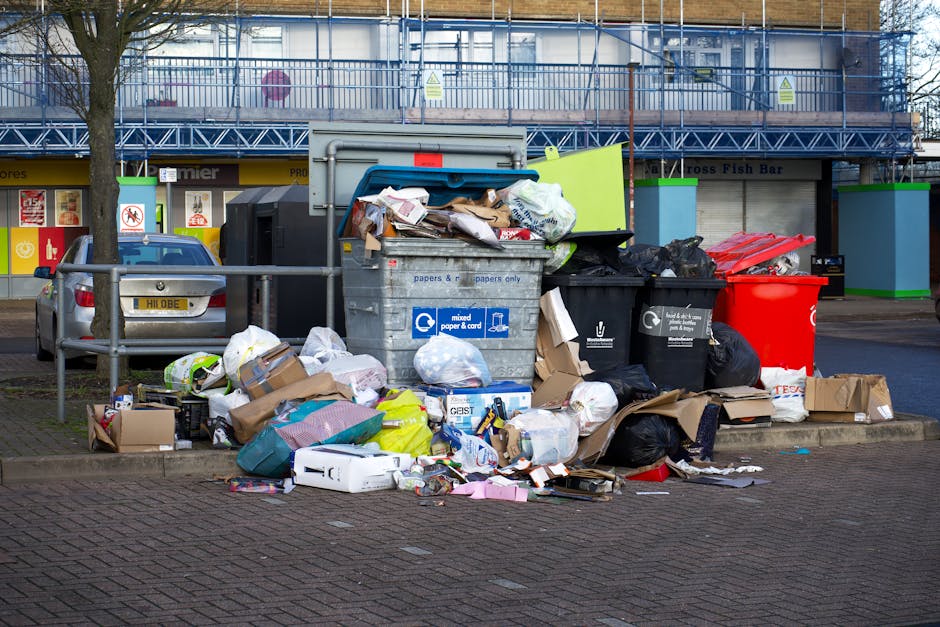
Most disposal problems come from a few repeated habits. They are easy to spot once you know what to look for.
- Leaving mixed waste in one bag: It is quicker in the moment, but it creates sorting problems later.
- Putting hazardous items into normal rubbish: This can be unsafe and may breach local handling expectations.
- Overfilling bags: Split bags are a headache. They also make communal routes messy fast.
- Ignoring building rules: A bin store may have access times, presentation rules, or size restrictions.
- Assuming "small" means harmless: Small items like blades, batteries, and aerosols still need proper handling.
- Forgetting the final wipe-down: Disposal is not complete if the route, lid, or collection point is left dirty.
There is also a subtle mistake that catches people out: treating all cleaning waste as if it is just rubbish. In reality, some items are waste, some are recyclables, and some are potentially controlled or hazardous. Mixing them casually can create more trouble than the item was ever worth.
Tools, Resources and Recommendations
You do not need a giant toolkit to manage cleaning disposal well. A few practical items make the process much easier, especially in smaller London properties where space is tight.
| Tool or Item | Why It Helps | Best Use |
|---|---|---|
| Heavy-duty bags | Reduces split bags and leaks | General cleaning waste, damp cloths, mixed soft waste |
| Clear labels or marker pens | Makes sorting easier for shared households or teams | Recycling, hazardous hold, bulky item pile |
| Sturdy gloves | Protects hands from sharp or dirty items | Waste sorting, bag lifting, bin store handling |
| Small lidded container | Keeps batteries, blades, and small items separate | Under-sink storage or cleaning cupboard |
| Cleaning checklist | Prevents disposal steps being forgotten | Deep cleans, end-of-tenancy cleans, office resets |
If you are planning a full refresh, the service overview at services overview is useful for seeing how disposal can sit alongside routine or specialist cleaning. For households, domestic cleaning and house cleaning can also help establish a regular rhythm rather than letting waste build up quietly in corners.
If you are dealing with wet aftermath rather than normal mess, the page on urgent flood cleaning in Knightsbridge is especially relevant because contaminated materials and drying waste need extra care.
Law, Compliance, Standards, or Best Practice
This is the bit where people often want an exact line in the sand. Fair enough. The reality is that waste and disposal duties in the UK are influenced by a combination of local council arrangements, building rules, and wider legal responsibilities on safe handling and lawful disposal. Because details can vary by property type and waste stream, it is wise to check current local instructions rather than relying on what "used to be fine."
For everyday readers, the practical best practice is usually this:
- Keep waste separated at source where possible.
- Do not leave waste where it blocks fire exits, corridors, or access routes.
- Use sealed bags for dirty or odorous cleaning waste.
- Store chemicals and sharp items safely until they can be disposed of correctly.
- Use approved arrangements for bulky or special waste rather than DIY dumping.
For businesses, the expectations are typically stricter, especially if cleaning waste is generated alongside food, client traffic, or regular office activity. Good record-keeping helps too, even if it is only a simple internal log of what was removed and when. Not glamorous, but very useful when someone asks later, "Where did that all go?"
There is a broader duty of care element here as well. That means you should not hand waste to an informal third party unless you are confident it will be handled properly. In practical terms, choose methods and suppliers that leave the waste trail clear and sensible.
Options, Methods, or Comparison Table
Different disposal methods suit different situations. The best choice depends on volume, waste type, access, and how quickly the space needs to be turned around.
| Method | Best For | Pros | Watch Outs |
|---|---|---|---|
| Routine bin collection | Normal household or office waste | Simple, low effort, usually cost-efficient | Needs correct sorting and timing |
| Bulky waste removal | Furniture, mattresses, large items | Handles awkward items properly | May need advance booking or access planning |
| Specialist handling | Chemicals, contaminated waste, sharp items | Safer and more compliant | Must be separated early |
| Integrated cleaning and disposal | Deep cleans, tenancy changes, office refreshes | More efficient, fewer handoffs | Needs clear planning before work starts |
For many readers, the integrated option is the smoothest. It is why people booking end of tenancy cleaning in Knightsbridge or a spring clean often find it easier to combine the tidy-up with proper disposal planning from the start.
Case Study or Real-World Example
Picture a typical flat in a managed building near central Knightsbridge. The residents have just finished a long overdue clear-out: old magazines, broken storage boxes, a couple of worn cushions, some kitchen packaging, and several bottles of half-used cleaning products. Nothing dramatic. But enough to become awkward if handled badly.
At first glance, the temptation is to bag everything together and put it out quickly. That would be the fast version. The better version is to split the waste, keep the chemicals separate, remove anything sharp or leak-prone, flatten cardboard, and check the building's bin-store arrangement before moving anything into common areas. The result is calmer, cleaner, and far less likely to trigger complaints from neighbours or the managing agent.
Now add one more layer. If the property is being prepared for sale or rental, that disposal step has to happen before the proper clean begins. In that situation, a structured service makes a big difference because the cleaners are not working around clutter. They can get to skirting boards, window edges, and forgotten corners properly, which is where the value sits.
A similar logic applies in commercial settings. A small office might have paper waste, broken stationery, food packaging, old supplies, and cleaning residue after a reset. If those streams are handled in a controlled way, the team avoids the classic "we cleaned, but the room still feels messy" problem. Truth be told, that feeling often comes from disposal, not dust.
Practical Checklist
Use this quick checklist before and after any significant clean-out or disposal job.
- Have I separated general waste, recycling, and special waste?
- Are all bags sealed securely and not overfilled?
- Have I kept batteries, blades, aerosols, and chemicals apart?
- Do I know the building's bin-store or collection rules?
- Have I planned for bulky items before moving them?
- Are shared areas protected from leaks, scuffs, and spills?
- Have I wiped down the disposal route and collection point?
- Is there anything I am unsure about that should be checked separately?
If you can answer yes to most of those, you are in good shape. If not, slow down a bit. A small pause now is better than a messy cleanup later.
Get a free quote today and see how much you can save.
Conclusion
Kensington and Chelsea council rules for cleaning disposal are really about common sense done properly: sort waste carefully, keep shared areas clean, respect building expectations, and treat anything hazardous or bulky with extra care. Once you build that habit, the whole process becomes smoother and far less stressful.
Whether you are clearing out a flat, preparing an office, or finishing a deep clean, disposal is not an afterthought. It is part of the job. Get that part right, and everything else tends to feel easier. A cleaner space, fewer complications, and a far calmer end to the day.
And that, honestly, is a relief worth having.