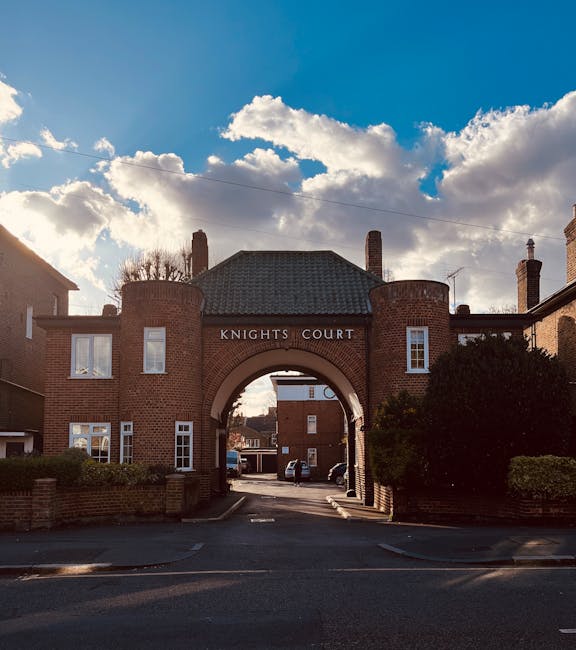
Knightsbridge council permits for external cleaning works: what you need to know before you start
If you are planning external cleaning in Knightsbridge, the permit question can become the difference between a smooth job and an awkward delay. That is especially true when the work involves pavements, shared access, scaffolding, water run-off, or anything that might affect neighbours, pedestrians, or the public highway. Knightsbridge council permits for external cleaning works are not something most people think about first, but they quickly matter once ladders go up or equipment comes out.
This guide explains the practical side of permissions, why they matter, how the process usually works, and what property owners, managers, and contractors should check before external cleaning begins. It is written for real-world decision-making, not theory. You will also find a checklist, a comparison table, and a few useful internal resources for deeper reading on local cleaning, safety, and property context.
Table of Contents
- Why permits matter in Knightsbridge
- How the permit process usually works
- Key benefits and practical advantages
- Who this is for and when it makes sense
- Step-by-step guidance
- Expert tips for better results
- Common mistakes to avoid
- Tools, resources and recommendations
- Law, compliance and best practice
- Options and method comparison
- Case study example
- Practical checklist
- Conclusion
- Frequently asked questions
Why Knightsbridge council permits for external cleaning works Matters
External cleaning sounds straightforward until you look at the setting. Knightsbridge is busy, elegant, tightly managed, and often logistically awkward in the best possible way. A facade wash, render clean, stonework treatment, window clean, gutter clearance, or pressure wash may need access to public walkways, temporary parking suspension, or equipment that reaches beyond private boundaries. That is where permits can come in.
In practical terms, a permit may be needed to prevent disruption and to show that you have planned the work responsibly. Even if a formal council permit is not required for every job, you may still need permissions, notifications, traffic management, or building management approval. To be fair, that part catches people out more often than you would think.
The key point is this: external cleaning is not just about the cleaning method. It is about where the work happens, how long it takes, what it affects, and whether it creates a temporary footprint in a dense urban area. In Knightsbridge, that footprint can matter a lot. Noise, overspray, access equipment, and cleaning water can all create problems if nobody has planned ahead.
If you are researching Knightsbridge as a place to live or invest, you will notice that property standards and presentation are taken seriously here. For broader local context, you may also find it useful to read is Knightsbridge ideal for residents? and the Knightsbridge property investment guide, because external appearance often plays a bigger role in this area than people expect.
How Knightsbridge council permits for external cleaning works Works
There is no single universal process that fits every external cleaning job. The right permissions depend on what is being cleaned, where the work takes place, and whether the setup touches public or shared space. The safest way to think about it is in layers.
Layer 1: identify the work. Are you cleaning windows, stone facades, brickwork, balconies, signage, gutters, canopies, pavement areas, or cladding? Different surfaces may require different methods, and some methods bring higher risk.
Layer 2: identify the footprint. Will vans, cherry pickers, scaffold towers, cordons, hoses, water tanks, or waste containers be placed on the street or pavement? If yes, permissions may be needed before anything starts.
Layer 3: check who controls the site. Private owners, managing agents, leaseholders, and freeholders may each have a say. In a mixed-use or managed building, the building rules can be just as important as any council requirement. Sometimes more, if we are being honest.
Layer 4: assess public impact. If the job could affect pedestrians, traffic, neighbours, shopfronts, or the public realm, extra controls are wise. That includes signage, barriers, timing, and safe runoff management.
Layer 5: submit or secure approvals. Depending on the setup, this may involve an application, booking, notice, risk assessment, method statement, or written consent from the relevant party. The exact paperwork varies, but the principle is consistent: show that the job is safe, tidy, and considerate.
One easy mistake is assuming the cleaner will "sort the permit." Sometimes they will help, sometimes they will not. The responsibility often sits with the client, the contractor, or both. It is worth confirming in writing before the first ladder goes up.
Key Benefits and Practical Advantages
Getting the permit and permissions side right is not just about avoiding trouble. It also makes the whole job work better. In Knightsbridge, that matters because time windows can be tight, access can be limited, and reputational expectations are high.
- Less risk of stoppages: Work is less likely to be interrupted if permissions are in place.
- Better safety planning: A proper review usually improves barrier placement, access control, and water management.
- Cleaner communication: Neighbours, staff, residents, or building managers know what to expect.
- Reduced liability headaches: A documented approach helps if there is a dispute about access or damage.
- More professional results: An organised site tends to produce a better finish, simply because the team can work properly.
There is also a subtler benefit. Jobs that are planned with permissions in mind often finish faster. Not because the cleaning itself is quicker, but because people are not improvising around avoidable obstacles. In a place like Knightsbridge, that can save an entire morning, sometimes more.
If your project is part of a larger property refresh, you may want to pair external works with interior services such as deep cleaning, house cleaning, or office cleaning. That way the external finish and the interior presentation feel aligned, which is often the point in premium postcodes.
Who This Is For and When It Makes Sense
This topic matters to more people than you might first assume. If your only cleaning job is a small internal refresh, you probably will not need to think much about permits. But external cleaning is different. It crosses into access, public space, and visible presentation.
You are likely to need to check permits or permissions if you are:
- a homeowner arranging exterior cleaning on a townhouse or mansion block
- a managing agent coordinating cleaning for a residential building
- a landlord preparing a property for sale or tenancy
- a commercial occupier maintaining shopfronts or windows
- a facilities manager scheduling periodic facade or canopy cleaning
- a contractor bringing equipment into a narrow street or shared access route
It also makes sense when the property sits near busy foot traffic, limited parking, or protected building features. Knightsbridge has plenty of streets where a small access issue becomes a big operational issue very quickly. If you have ever tried to organise even a simple delivery in central London, you already know the vibe.
For readers comparing different uses of a Knightsbridge property, the context articles about buying homes in Knightsbridge and the charms of Knightsbridge can help explain why appearance, access, and maintenance planning carry so much weight here.
Step-by-Step Guidance
If you want to keep the process calm and organised, work through the job in this order. It is simple enough, but the sequence matters.
- Define the cleaning scope. List every external surface, access point, and treatment method involved. Be specific.
- Check the location constraints. Note pavement widths, loading restrictions, resident access, neighbour entrances, and any obvious pinch points.
- Ask who needs to approve it. That may be the building owner, managing agent, leaseholder group, business occupier, or council-side permissions process, depending on the setup.
- Prepare a basic method statement. Keep it plain English. What will happen, when, with what equipment, and what protective measures are in place?
- Build in safety controls. Think barriers, signage, waste capture, overspray control, and safe pedestrian movement.
- Confirm the timing. Quiet hours, access windows, and delivery schedules can make or break a job. Morning light is useful; so is not blocking everyone's front door at 8:15.
- Document any permit or approval. Save the written agreement, reference number, or email trail. You may need it later.
- Carry out a pre-start check. Weather, wind, water drainage, and site conditions can all change the plan.
- Monitor the work while it happens. Someone should be available to spot issues early, not at the end when the pavement is already wet.
- Close the job properly. Remove waste, clean the area, and confirm that access has been restored.
For cleaning projects that involve more than the exterior, it can help to review adjacent services like spring cleaning, one-off cleaning, or end-of-tenancy cleaning. The point is not to bundle everything for the sake of it. It is to avoid organising one part of the property while accidentally ignoring the other.
Expert Tips for Better Results
After enough site visits, a few practical habits stand out. None are dramatic, but they make a genuine difference.
1. Start with the access question, not the cleaning product. People often jump straight to chemicals or pressure settings. Useful, yes, but access comes first. If the equipment cannot reach the surface safely, the product choice barely matters.
2. Keep runoff under control. External cleaning can create dirty water, residue, and slip hazards. On a Knightsbridge pavement, even a small slick patch is not something you want to explain twice.
3. Match the method to the material. Limestone, brick, render, glass, metal, and painted surfaces behave differently. A method that looks efficient on one building may be completely wrong on another.
4. Watch the neighbours. This sounds obvious, but a quick courtesy note or timed clean can prevent frustration. A little consideration goes a long way when people are living or working close by.
5. Photograph before and after. It is a simple habit that helps with disputes, quality control, and future planning. Also, it keeps everyone honest.
6. Plan for the weather. Wind changes overspray. Rain changes runoff. Cold changes drying times. London weather likes a small surprise, usually just when you thought you had everything sorted.
If you are managing a commercial site, it may be worth looking at commercial cleaning cost tips so you can budget for access equipment, permits, and contingencies together rather than separately.
Common Mistakes to Avoid
Most permit-related problems are not complicated. They come from skipping one sensible step. Here are the ones we see most often.
- Assuming the job is private when it actually affects public space. A hose on a pavement is not the same as a bucket in a garden.
- Leaving permission until the last minute. If a booking window is tight, late paperwork can delay the whole project.
- Forgetting building management rules. In managed blocks, those rules can be stricter than expected.
- Ignoring disposal and washwater issues. Cleaning waste still needs a proper plan.
- Using the wrong equipment for a delicate facade. A strong clean is not always a smart clean.
- Not checking insurance and safety cover. This is basic, but it gets overlooked in a rush.
- Failing to tell occupants or neighbours. Surprise is rarely a virtue here.
There is one more subtle mistake: treating the permit as a one-off admin chore rather than part of the project design. In reality, it shapes the whole job. Once you start thinking that way, planning gets much easier.
Tools, Resources and Recommendations
You do not need a giant toolkit to manage external cleaning properly, but you do need the right basics. The best approach is usually a blend of paperwork, site awareness, and sensible equipment.
| Item or resource | What it helps with | Why it matters in Knightsbridge |
|---|---|---|
| Site survey notes | Access, hazards, and layout planning | Helps avoid surprises on narrow streets and shared entrances |
| Method statement | Explaining how the work will be done safely | Useful for building managers, residents, and permit checks |
| Risk assessment | Identifying hazards before work starts | Especially important where pedestrians or vehicles pass close by |
| Barriers and signage | Controlling movement around the work area | Helps protect the public and keep the site tidy |
| Photo record | Before-and-after evidence | Useful for quality control and any later queries |
For related practical reading, the article on cleaning disposal rules in Kensington and Chelsea is a helpful companion piece if your project creates waste, residue, or removed debris. That kind of detail is easy to underestimate. Then it turns up in the back of the van and everybody suddenly cares.
If you are coordinating a mixed cleaning project, other useful pages include carpet cleaning, upholstery cleaning, and office cleaning. They are not permit guides, but they do help with service planning and sequencing.
Law, Compliance, Standards, or Best Practice
Because external cleaning can affect public space, it sits close to several practical compliance areas. The details vary by site and activity, so caution matters here. It is wise to treat anything involving access equipment, pavement use, temporary obstructions, or water discharge as a planning job rather than a simple cleaning appointment.
Best practice normally includes:
- checking whether the work affects the highway, shared access, or another controlled area
- confirming building management approval where relevant
- using suitable access equipment and competent operatives
- keeping pedestrians, residents, and staff safe
- controlling waste water, residue, and debris
- making sure insurance and safety documents are current
In the UK, this kind of work is usually shaped by general duties around safety, nuisance prevention, and responsible site management. The exact legal route depends on the circumstances, and that is why blanket advice can be misleading. If the work is small and entirely private, the process is simpler. If it touches public ground or shared property, expect extra checks.
This is where a careful, documented approach earns its keep. Even when a formal permit is not strictly needed, written approval and a sensible method statement often prevent arguments later. And in a district as visible as Knightsbridge, that peace of mind is worth a lot.
For transparency around business standards and working practices, some readers also like reviewing a company's health and safety policy, insurance and safety information, and terms and conditions. Those pages do not replace legal advice, of course, but they can show whether the provider takes process seriously.
Options, Methods, or Comparison Table
Not every external cleaning job needs the same level of permission or control. The right method depends on the building, the surface, and the surrounding environment. Here is a simple comparison that may help.
| Method | Typical use | Permission pressure | Watch-outs |
|---|---|---|---|
| Low-impact window cleaning | Glass, frames, and ledges | Low to moderate | Access, reach, and pedestrian safety |
| Facade washing | Stone, render, brick, and frontage detailing | Moderate to high | Runoff, overspray, and surface sensitivity |
| Pressure washing | Paving, hard surfaces, some exterior finishes | Moderate | Slip risks, water control, and surface damage |
| Access-equipment cleaning | Upper floors, tall facades, awkward elevations | High | Street occupation, safety planning, and site control |
| Light maintenance clean | Routine spot cleaning and presentation tidy-up | Usually low | Still check building rules and waste handling |
The comparison is intentionally broad. A small window-cleaning job on a quiet private terrace is not the same as a facade wash above a public footpath. The principle is simple enough: the more the work interacts with public or shared space, the more likely permits and controls become part of the job.
Case Study or Real-World Example
Consider a managing agent in Knightsbridge overseeing a period building with a stone frontage and several upper-floor windows. The owner wants the exterior brightened before a sale listing goes live. The team initially plans a standard clean, but a site walk shows that the frontage borders a busy pedestrian route and the upper sections require access equipment.
Rather than rushing, the manager breaks the work into steps. First, they confirm who approves works on the building. Then they review whether the equipment will affect pavement use. They prepare a simple method statement, set a narrow time window, and arrange barriers so people can still move safely past the building entrance. The cleaner changes the method slightly to protect the stonework and manage runoff better.
The result? No drama. The frontage looks sharp, the sale photographs benefit, and the neighbours are not left wondering what on earth is going on outside their windows. It is a plain example, but a useful one. Most permit-related success stories are like that: quiet, boring, and effective. Which, frankly, is exactly what you want.
If the property is also being refreshed inside, pairing the exterior work with deep cleaning services in Knightsbridge or a one-off clean can make the whole place feel ready at the same time. That coordination is often overlooked.
Practical Checklist
Use this quick checklist before booking or starting external cleaning in Knightsbridge.
- Confirm exactly which exterior surfaces need cleaning.
- Check whether the job touches pavement, street space, or shared access areas.
- Ask who has approval rights for the building or site.
- Identify any permit, consent, or notification requirement early.
- Prepare a simple method statement and risk assessment.
- Plan for pedestrians, residents, staff, and deliveries.
- Choose an access method suitable for the building and surface.
- Confirm how waste water, dirt, and debris will be contained.
- Check insurance and safety paperwork.
- Tell affected parties in advance where appropriate.
- Take before-and-after photos.
- Leave the area clean, dry, and open again when finished.
Simple list. Powerful habit.
Conclusion
Knightsbridge council permits for external cleaning works are really about more than admin. They sit at the intersection of access, safety, responsibility, and presentation. If your cleaning project stays wholly private, the process may be light. If it touches public space, shared property, or busy pedestrian routes, the planning becomes much more important.
The good news is that most of the stress disappears once you approach the job in the right order: define the scope, check the footprint, confirm permissions, and keep the site controlled. That is how premium properties stay looking premium without creating unnecessary headaches.
And if you are still at the planning stage, that is fine. Better to slow down for ten minutes now than untangle a preventable issue later. Truth be told, that one decision usually pays for itself.
Get a free quote today and see how much you can save.
For more local insight and service guidance, you can also explore the broader blog archive and related pages on cleaning, safety, and property care. A well-planned exterior clean has a nice way of making the whole building feel lighter.
Frequently Asked Questions
Do all external cleaning jobs in Knightsbridge need a council permit?
Not always. It depends on whether the work affects public space, the highway, or shared access. Some jobs only need building approval, while others may need a formal permit or notice. The safest approach is to check before booking.
What kinds of external cleaning are most likely to need permission?
Work that uses scaffolding, access platforms, pavement space, traffic-sensitive areas, or large equipment is more likely to need approval. Facade cleaning, upper-floor window cleaning, and pressure washing near public walkways are common examples.
Who usually applies for the permit?
That can vary. Sometimes the contractor handles it, sometimes the client or managing agent does, and sometimes both parties are involved. It is best to confirm responsibility in writing at the start.
Can a building manager refuse external cleaning works?
Yes, if the works breach building rules, pose a safety issue, or do not have the required approvals. In managed buildings, the building terms can be as important as any permit process.
How far in advance should I plan for external cleaning permissions?
As early as possible. If access equipment, neighbours, or parking arrangements are involved, leave extra time. Short lead times are where problems tend to appear.
Is pressure washing always allowed?
No. Pressure washing can be suitable for some surfaces, but it can also damage delicate materials or create runoff and slip hazards. The method should match the surface and the site conditions.
What documents should I ask for from a cleaning contractor?
Ask for a method statement, risk assessment, insurance details, and confirmation of who is handling any permit or approval process. If the job is complex, before-and-after photos can also be helpful.
Do I need to tell neighbours before external cleaning starts?
Not every time, but it is often a smart move, especially if the work is noisy, visible, or likely to affect access. A short courtesy notice can prevent a lot of irritation.
What happens if cleaning starts without the right permission?
The work may be stopped, delayed, or challenged. There may also be safety and liability concerns if the job is affecting public or shared space without the proper controls in place.
Can I combine external cleaning with internal cleaning on the same visit?
Yes, and sometimes that is the most efficient route. It can be especially useful for sale prep, end-of-tenancy changeovers, or commercial presentation work. Just make sure the sequence is planned so one job does not interfere with the other.
What if I am not sure whether my property falls into a permit-sensitive category?
If in doubt, treat it as permit-sensitive until proven otherwise. That conservative approach usually saves time. A quick check at the planning stage is far better than trying to solve a problem once equipment is already on site.
How do I keep the work compliant without overcomplicating it?
Keep it simple but documented: define the job, check access, confirm approvals, control the site, and record what happened. You do not need a mountain of paperwork for every job, but you do need enough structure to show the work was thought through properly.